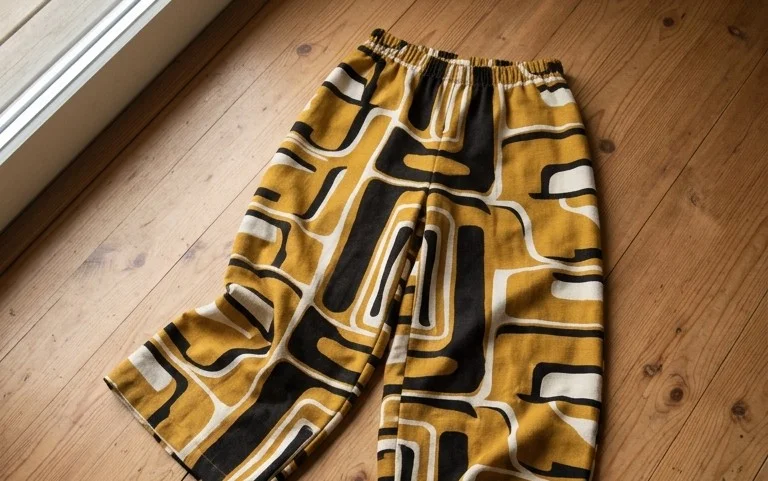
6 Easy DIY Fabric Palazzo Wide-Leg Pants Patterns
Flowy palazzo pants offer a breezy, relaxed silhouette that works for casual afternoons at home or dressier outdoor events. These sewing projects range from simple elastic waistbands to structured designs, making them accessible whether you are building your first pair or stocking your closet with handmade options. Working with lightweight linens or soft cotton blends allows the fabric to drape gracefully as you move. We will examine how different seam allowances and hem finishes impact the final fit of these garments. You will gain confidence in selecting the right yardage and cutting your own custom fabric panels for a professional look.
Why You’ll Love This Pattern
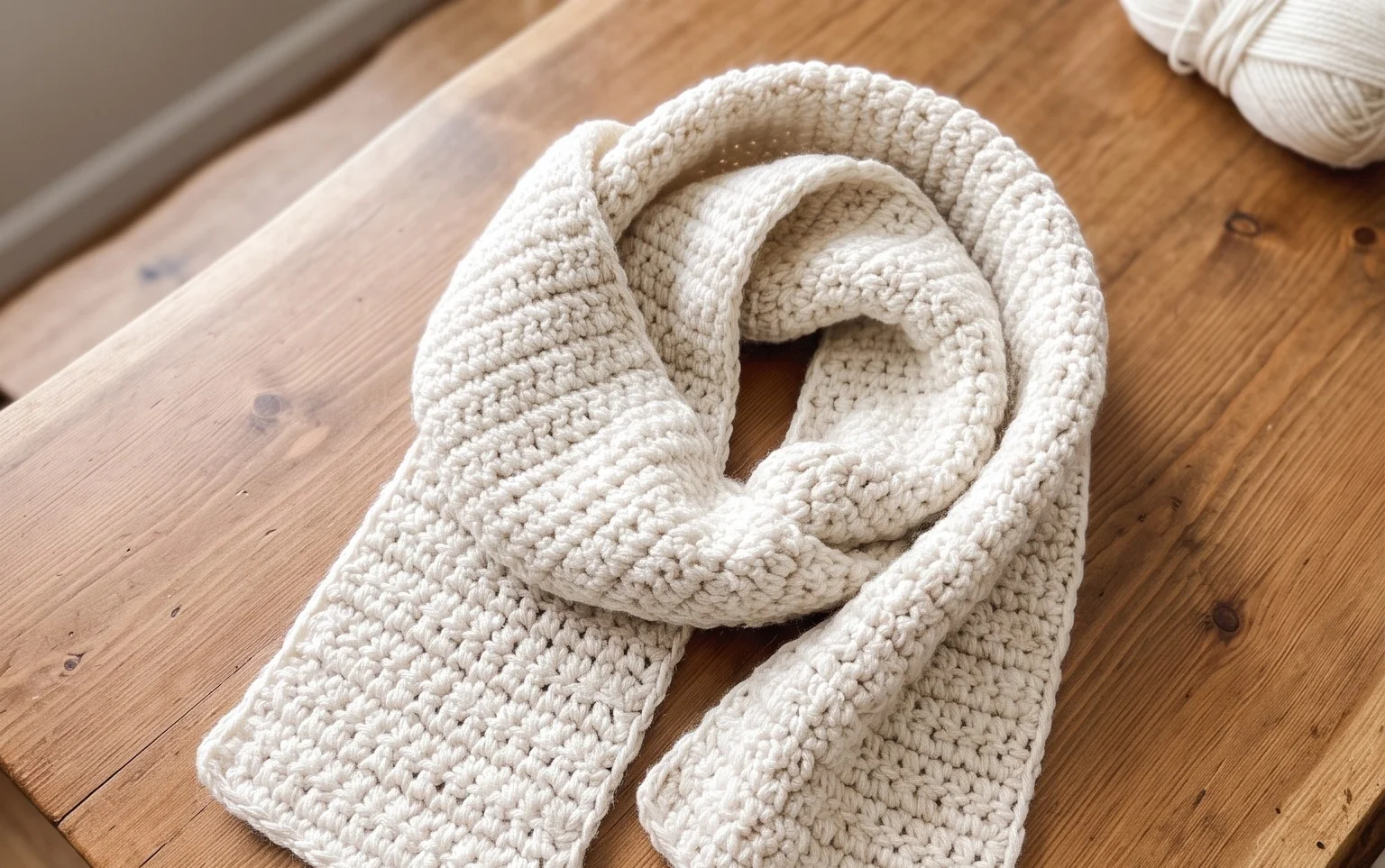
This beginner-friendly crochet coaster pattern uses a simple moss stitch variation that creates a dense, absorbent fabric, making it ideal for protecting tabletops from condensation. Because it works up in less than 30 minutes, it is the perfect solution for using up small amounts of leftover cotton yarn from larger projects. The repetitive nature of the stitches provides a rhythmic, meditative experience that helps even newer crocheters build consistent tension. Its clean, square geometry sits flat on any surface, ensuring your mugs stay stable and level.
I managed to finish a full set of four coasters in one afternoon. The instructions were very easy to follow and the finished result looks much more professional than I expected for such a simple design.
— Sarah, home crafter
Pattern Overview & Skill Level
- Skill Level: Beginner
- Approximate Time: 20–30 minutes per coaster
- Construction: Worked in flat rows, turning at the end of each row to maintain a uniform texture.
- Finished Dimensions & Sizing: 4 inches by 4 inches
Materials & Supplies Needed
- Yarn: Worsted weight (#4) 100% cotton yarn, approximately 15–20 yards per coaster. Cotton is essential here because it is heat-resistant and absorbent.
- Hook Size: 5.0 mm (H-8) crochet hook to achieve a tight, clean gauge.
- Notions needed: Tapestry needle for weaving in ends, scissors, and an optional blocking mat.
- Safe yarn substitutions: You may use a wool blend, but avoid synthetic acrylics as they do not absorb moisture well and can melt if a very hot mug is placed directly on the surface. Using a thicker yarn will require a larger hook and result in a larger coaster.
Stitch Guide & Abbreviations (US Terms)
- ch = chain
- sc = single crochet
- st/sts = stitch/stitches
- sk = skip
- turn = turn your work to begin the next row
- yo = yarn over
Step-by-Step Pattern Instructions
Main Coaster Body
- Row 1: Ch 16. Sc in the second ch from the hook and in each ch across. (15 sts)
- Row 2: Ch 1 (does not count as a stitch here), turn. Sc in the first st and each st across. (15 sts)
- Rows 3–15: Repeat Row 2. (15 sts)
Border and Finishing
- Border Rnd: Ch 1, do not turn. Work 1 round of sc evenly around the perimeter of the square. Work 3 sc into each corner stitch to help the corners lay flat.
- Join: Sl st to the first sc of the round. Fasten off, leaving a 6-inch tail.
- Finishing: Use the tapestry needle to weave the loose yarn ends into the back of the work. Trim the excess yarn close to the fabric.
Care & Washing Instructions
- Machine wash in cold water on a gentle cycle to prevent shrinking or fraying.
- Lay the coaster flat on a clean towel to air dry, reshaping it into a perfect square while damp.
- Do not bleach or iron, as these actions can weaken the cotton fibers and alter the stitch definition.
Pro Tips & Common Mistakes to Avoid
Maintain consistent tension by holding your yarn with a steady grip throughout the row. If your stitches become loose in the middle of a row, pull back and restart that section to ensure a uniform look. Use a stitch marker on the first stitch of each row if you struggle to identify where the row ends; this prevents accidentally skipping the final stitch and creating a slanted edge. When weaving in your ends, run the needle through the center of the stitches on the back side rather than around them to ensure the tail remains invisible and does not pull out over time. If you wish to make a larger coaster, simply increase your starting chain to an odd number and add rows until you reach your desired square dimensions.
Frequently Asked Questions
Can I use a different yarn weight for this pattern?
Yes, but you will need to adjust the number of starting chains and the number of rows. If you use a thinner yarn, such as DK weight, you will need to increase the starting chain count to reach a 4-inch width.
Is this pattern suitable for complete beginners?
Absolutely. It uses only the single crochet stitch and requires basic row turning, which is the foundational skill set for almost all flat crochet projects.
Can I sell the coasters I make from this pattern?
Yes, you are welcome to sell finished items made from this pattern. Please credit the design to this tutorial whenever possible.
How do I keep the edges from curling?
Curling is usually caused by tension that is too tight or a hook that is too small for the yarn weight. If you notice curling, try moving up one hook size or intentionally relaxing your grip on the yarn while working.
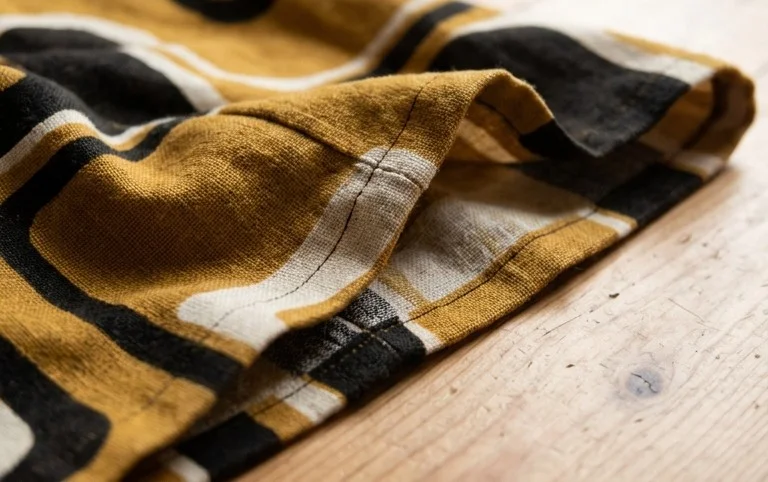
Your new handmade wide-leg trousers will provide comfort and style for many seasons of wear. You can experiment with bold floral prints or a heavy silk-rayon blend for a more formal aesthetic when sewing your next set. Sharing a photo of your finished work helps others visualize their own creative projects, so post your results online. Our blog archive contains several more free patterns if you decide to sew a matching top or add pockets to your design. Creating custom clothing at home is a rewarding way to build a functional and personal wardrobe piece by piece.