Cozy Crochet Christmas Tree Decor for Festive Mantels
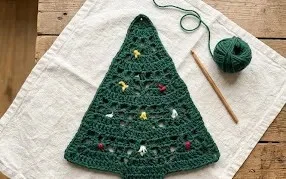
Soft cotton or acrylic yarn turns into little evergreen shapes with a raised, stitch-by-stitch texture that looks right at home on a mantel, tree branch, or wrapped gift. Crochet Christmas tree projects suit beginners who want to practice steady tension, as well as gift makers and home decor lovers who enjoy adding handmade details to December. They are satisfying to make because the familiar stitches build into a recognizable shape without needing a large amount of yarn or a long stretch of free time. In this guide, you’ll find ideas for different sizes and finishes, plus pointers on using chains and single crochet to form a neat tree shape. Choose a classic green, try a snowy neutral, or add a small hanging loop for a simple ornament.
Why You’ll Love This Pattern
This plain single-crochet dishcloth makes a useful first project: it is worked flat, uses one stitch, and has straight edges that are easy to count. The close fabric is sturdy enough for everyday kitchen use, and one cloth takes roughly an evening to finish. It is also a practical way to use leftover worsted-weight cotton, as long as you have enough yarn to keep the cloth one color.
A crocheter who finished the cloth might describe it this way:
The rows were easy to keep track of, and the cotton made a firm cloth that held its shape after washing.
— Maya, beginner crocheter
Pattern Overview & Skill Level
- Skill Level: Beginner. You need to chain and make single crochet stitches.
- Approximate Time: About 2–3 hours, depending on your pace and tension.
- Construction: A flat square worked back and forth in rows. Turn at the end of each row; the turning chain does not count as a stitch.
- Finished Dimensions & Sizing: Approximately 8 × 8 in (20 × 20 cm) after washing and drying flat. The pattern makes one cloth.
Materials & Supplies Needed
- Yarn: About 100 yd (91 m) of worsted-weight (#4) 100% cotton yarn. A solid, light color makes it easier to see the stitches.
- Hook: 5.0 mm (US H-8) crochet hook. Use the hook that gives you the stated gauge; a different hook may change the finished size.
- Notions: Tapestry needle for weaving in the ends, scissors, and a ruler or measuring tape. A removable stitch marker is optional for marking the first stitch of a row.
- Substitution: Use another worsted-weight cotton yarn with a similar yarn-label gauge. Cotton absorbs water and makes a firm cloth. Acrylic is less absorbent and may feel slippery; a different fiber or yarn thickness can change the size and texture.
Gauge: 15 single crochet stitches and 16 rows measure about 4 × 4 in (10 × 10 cm) in the pattern stitch, measured without stretching. Make a small swatch if matching the finished size matters. If you have more stitches per 4 in, try a larger hook; if you have fewer, try a smaller hook.
Stitch Guide & Abbreviations (US Terms)
- ch = chain.
- sc = single crochet: insert the hook in the indicated stitch, yarn over and pull up a loop, yarn over and pull through both loops.
- st(s) = stitch(es).
- rep = repeat.
- sl st = slip stitch: insert the hook in the indicated stitch, yarn over and pull through the stitch and the loop on the hook. Used here only for finishing.
The turning chain at the start of each row is a height chain only. Do not count it as a stitch or work into it on the following row. Work the first single crochet into the first stitch of the previous row.
Step-by-Step Pattern Instructions
Dishcloth
Chain 31. The foundation chain gives you 30 working stitches, plus one chain for turning.
- Row 1: Sc in the second ch from the hook and in each ch across. Ch 1 and turn. (30 sts)
- Rows 2–31: Sc in each st across. Ch 1 and turn at the end of Rows 2–30. After Row 31, do not turn. (30 sts each row)
Count the stitches at the end of each row. If a row has 29 stitches, you may have skipped the first stitch; if it has 31, you may have worked into the turning chain. Correct the row before continuing so the sides stay straight.
Finishing
After Row 31, cut the yarn, leaving a tail about 6 in (15 cm) long. Draw the cut end through the loop on your hook and snug it gently. Thread the tail onto a tapestry needle and weave it through several stitches on the wrong side, changing direction once so it is less likely to work loose. Weave in the starting tail the same way. Wash and dry the cloth flat before measuring; cotton can relax slightly after its first wash.
Care & Washing Instructions
- For cotton yarn, machine-wash with like colors in warm water, up to about 40°C (104°F), or follow the yarn label.
- Dry flat for the neatest shape, or tumble-dry on low if the yarn label allows it.
- While damp, gently reshape the cloth into a square; avoid stretching the corners out of line.
Pro Tips & Common Mistakes to Avoid
- Keep your turning chain loose enough to match the height of a single crochet. A tight chain can pull the row ends inward and make the cloth narrower at the edges.
- Count all 30 stitches before turning. Place a removable marker in the first stitch of a row if you often miss the end stitch; move it as you work.
- Weave in each yarn tail through the back of several stitches, then change direction. Do not knot the tail on the cloth’s surface, where it can feel rough against skin or dishes.
- To make a larger cloth, add chains to the foundation and work the same number of single crochet stitches in every row. Each extra stitch adds width; each extra row adds length and uses more yarn. For a smaller cloth, begin with fewer chains and stop after fewer rows.
Frequently Asked Questions
Can I use acrylic yarn instead of cotton?
You can, but acrylic absorbs less water and may not work as well for wiping dishes. It can also feel softer or stretchier. Check the care label and make a small swatch, since the fabric and finished measurements may differ from cotton.
How can I make the dishcloth larger or smaller?
Change the foundation chain to adjust the width, remembering that the pattern uses one fewer single crochet than the number of chains. Add or remove rows to change the length. Keep the stitch count consistent across each row, and allow extra yarn for a larger cloth.
Is this pattern suitable for a first crochet project?
Yes. It uses chains and single crochet worked in straight rows, with no shaping or joining. The main challenge is keeping 30 stitches in every row, so count before turning until the edges become easy to recognize.
May I sell dishcloths made from this pattern?
Check the designer’s terms before selling finished items, and follow any requirements for pattern credit or commercial use. If you sell the cloth, describe its fiber accurately and include care instructions from the yarn label.
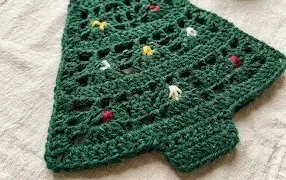
A finished crocheted tree brings a soft, handmade touch to a shelf, holiday table, or gift tag, and even a small scrap of yarn can become a useful decoration. For a simple variation, change the tree from green to cream and add a few tiny stitched-on ornaments in contrasting yarn. If you make one, share a photo on Pinterest or your favorite social media platform; seeing different colors and sizes is part of the fun. You can also browse the blog for more free crochet patterns, including small projects that fit into a quiet evening or a basket of leftover yarn.