Easy Melted Snowman Dishcloth: Free Crochet Pattern
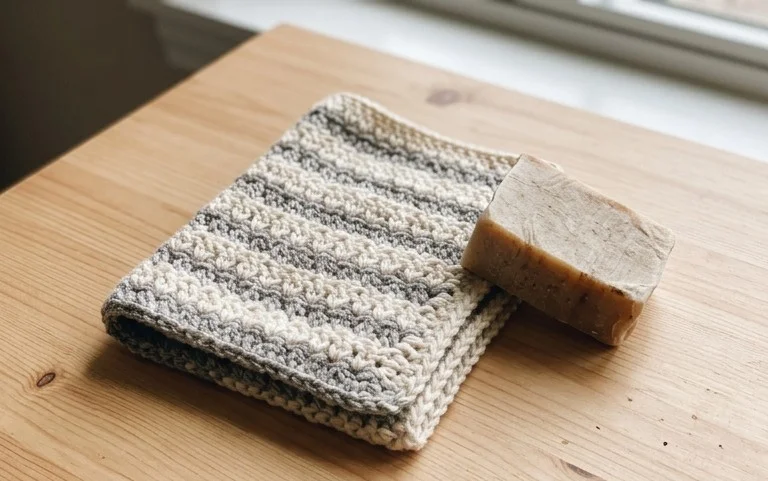
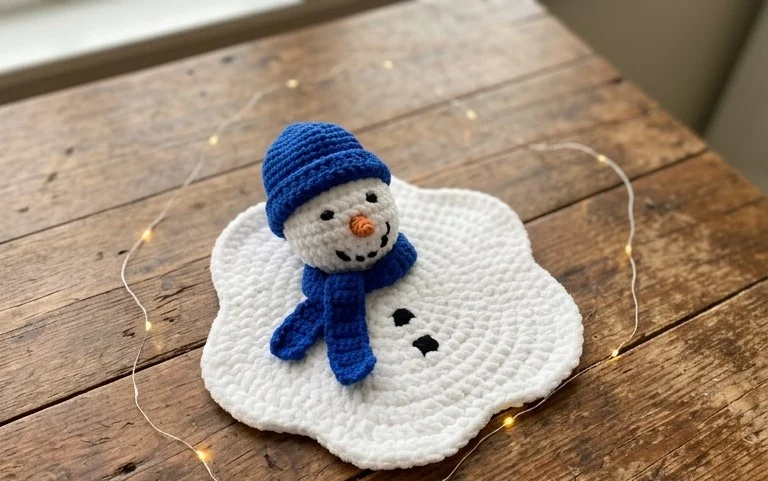
A puddle of white cotton creates a playful addition to any kitchen sink, especially during the cold winter months when you need a bit of cheer while washing dishes. This project features a soft, absorbent texture that holds up well against warm soapy water, making it far more than just a seasonal decoration. You will work through simple rows using the moss stitch, which produces a dense fabric that feels substantial in your hand. Whether you are a beginner looking to practice tension control or a seasoned maker wanting a quick gift, this pattern offers a relaxing rhythmic process that results in a finished piece ready for daily use.
Why This Project Is Worth Making
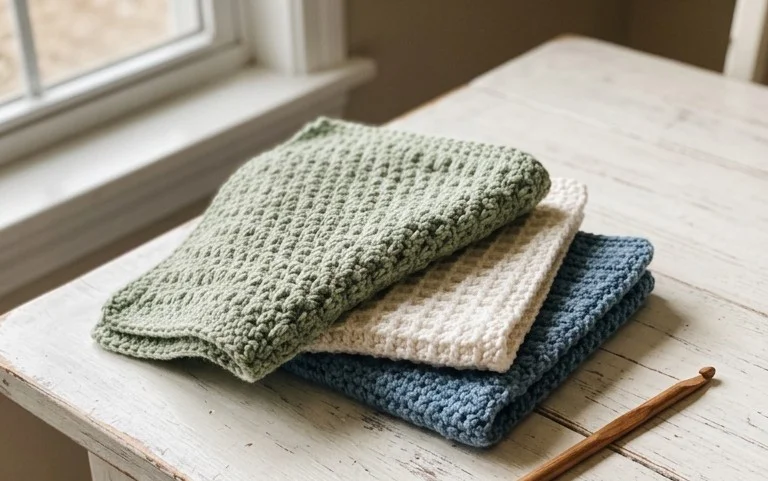
This classic crochet dishcloth works up quickly using the durable moss stitch, creating a dense, textured fabric that is ideal for scrubbing surfaces without scratching them. Because the design relies on a simple two-row repeat, it is easy to memorize while watching television or listening to music, making it a reliable project for relaxing at the end of a long day. You only need a small amount of cotton yarn to complete one, which makes this an efficient way to clear out leftover scraps from larger projects. The final result is highly functional, machine-washable, and durable enough to withstand daily use in the kitchen.
I finished these dishcloths in a single evening while waiting for dinner to cook. The texture is exactly what I needed for cleaning my countertops, and the cotton yarn softens perfectly after the first wash.
— Sarah, home crafter
Pattern Overview & Skill Level
- Skill Level: Beginner
- Approximate Time: 45 to 60 minutes
- Construction: Worked in flat rows starting from a foundation chain
- Finished Dimensions: 8 inches by 8 inches
Materials & Supplies Needed
- Yarn: Worsted weight (#4) 100% cotton yarn, approximately 50 yards. Cotton is necessary for its absorbency and heat resistance.
- Hook Size: 5.0 mm (H-8) crochet hook.
- Notions: Tapestry needle for weaving in ends, scissors.
- Safe yarn substitutions: You can use a cotton-linen blend, which adds extra scrubbing power, though it may be slightly stiffer. Avoid acrylic yarns, as they are not absorbent and will melt if exposed to hot pans.
Stitch Guide & Abbreviations (US Terms)
- ch = chain
- sc = single crochet
- st(s) = stitch(es)
- sk = skip
- moss stitch = a pattern consisting of alternating single crochet stitches and chain spaces.
Step-by-Step Pattern Instructions
Main Cloth
- Row 1: Ch 32. Sc in the 4th ch from the hook, *ch 1, sk 1, sc in the next ch; repeat from * across to the end. (16 sc, 15 ch-1 spaces)
- Row 2: Ch 2, turn. Sc in the first ch-1 space, *ch 1, sk 1 sc, sc in the next ch-1 space; repeat from * across, ending with a sc in the turning chain space. (16 sc, 15 ch-1 spaces)
- Rows 3-30: Repeat Row 2 until the piece measures 8 inches square.
- Finishing: Fasten off, leaving a 6-inch tail. Use the tapestry needle to weave the yarn tail securely back into the stitches.
Care & Washing Instructions
- Machine wash in warm water on a gentle cycle to prevent fraying.
- Lay flat to dry on a clean towel to maintain the shape of the square.
- Reshape the cloth by pulling gently on the edges while damp if it appears slightly uneven.
Pro Tips & Common Mistakes to Avoid
Maintain consistent tension throughout the project, as changes in tightness will cause the square to curl or pull inward. Use a stitch marker at the beginning of each row to help you identify the final chain space, which is often missed by beginners. When weaving in your ends, carry the tail through at least three different directions within the dense fabric to ensure it does not come loose during heavy scrubbing. To adjust the size, add or subtract your starting chain in even increments; note that increasing the width will require more yarn and increase the total time spent per project.
Frequently Asked Questions
Can I use a larger hook for this pattern?
Using a larger hook will result in a looser, more open fabric. While this works well for decorative items, a tighter gauge created with a 5.0 mm hook is preferred for dishcloths to ensure they are durable enough for scrubbing.
Is this pattern suitable for someone holding a hook for the first time?
Yes, this project is ideal for beginners. It requires only the single crochet stitch and chain stitches, allowing you to focus on consistent tension without managing complex stitch patterns.
Can I sell the finished dishcloths I make?
You are welcome to sell items made from this pattern, provided you use your own photography and credit the designer. Always check the specific terms provided by the original creator if you are using this as a base for commercial production.
What happens if I run out of yarn mid-row?
It is best to join a new ball of yarn at the start of a row. If you must join in the middle, work the final pull-through of the last stitch with the new yarn, then knot the two ends together securely and weave them into the fabric on the backside.
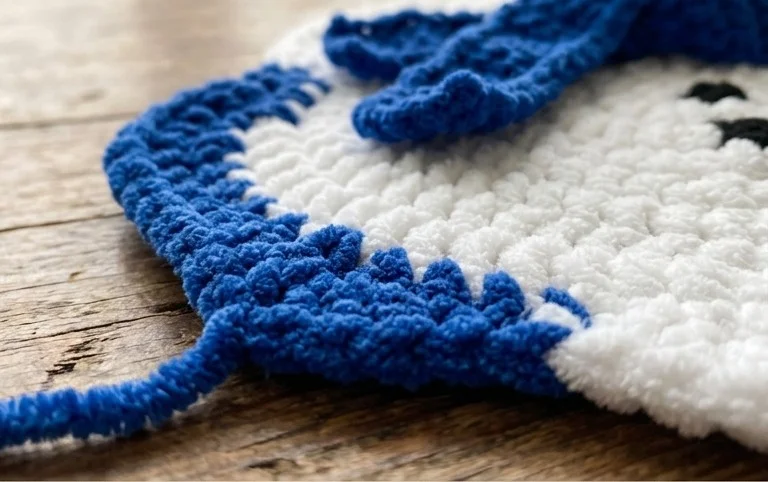
Your finished dishcloth brings a bit of winter personality to the kitchen while handling tough cleaning tasks with ease. You might consider using a variegated blue yarn for the puddle area to represent ice or adding a small orange embroidered carrot nose to give it more character. Please share a photo of your work on Instagram or Pinterest to show how your creation turned out. If you enjoyed this project, you can find more free patterns and seasonal tutorials on the main blog page to keep your hooks moving all winter long.