Easy Crochet Bear Hood Free Pattern for Cozy Winter Days
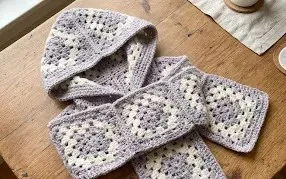
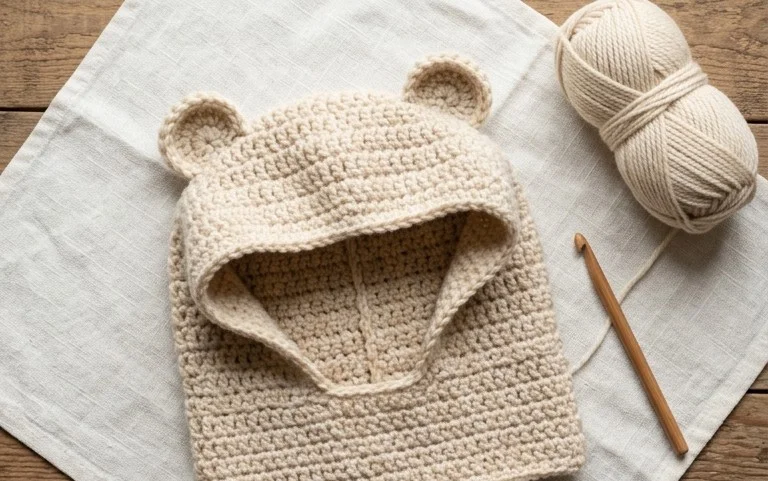
Soft yarn and rounded bear ears give a crochet hood a cozy, playful look that feels right at home on chilly walks and relaxed days indoors. The finished piece frames the face while adding a warm layer, and the ears bring a friendly touch that children and grown-up bear fans can enjoy. Beginners can use these patterns to practice basic stitches and steady tension, while confident makers can play with color, yarn texture, and fit. A hood also makes a thoughtful handmade gift because it is useful to wear and fun to personalize. In this collection, you’ll find ideas for shaping the hood and attaching neat little ears, along with tips for choosing yarn and adjusting the size. The simple construction makes progress easy to see as the fabric grows, so each session brings the project closer to a wearable finish.
Why You’ll Love This Pattern
A firm cotton stitch gives this dishcloth a lightly textured surface that can handle everyday washing and rinsing. The pattern uses single crochet in straight rows, so you can focus on keeping the edges even rather than learning several new stitches. It is a useful project for practicing tension, counting, and turning chains with a modest amount of yarn.
One cloth takes about two to three hours, depending on your pace. Make it in one color for a simple kitchen staple, or use leftover cotton for stripes. The square shape also makes it easy to fold and tie with a ribbon as a practical handmade gift.
The rows were easy to keep track of, and the cotton made a sturdy cloth that washes well.
— Mara, dishcloth maker
Pattern Overview & Skill Level
- Skill Level: Beginner. You need to chain, single crochet, and turn your work.
- Approximate Time: Two to three hours.
- Construction: A flat rectangle worked back and forth in rows. No seams or separate pieces are needed.
- Finished Dimensions & Sizing: About 7.5 × 7.5 in (19 × 19 cm) after washing and drying flat, using the gauge below.
Gauge matters because a tight cloth can feel stiff, while a loose one may have larger gaps. Make a small swatch in single crochet and measure it without stretching. Adjust your hook until you get about 16 stitches and 16 rows in 4 in (10 cm).
Materials & Supplies Needed
- Yarn: About 90–110 yd (82–101 m) of worsted-weight cotton, also called medium weight or #4. One solid color is enough; use two colors if you want stripes.
- Hook Size: 5.0 mm / H-8 crochet hook. Change hook size if needed to meet gauge.
- Notions: Tapestry needle for weaving in the starting and ending tails, scissors, and a ruler or tape measure.
- Substitutions: Use another worsted-weight cotton yarn with similar care instructions. A cotton-linen blend can make a slightly firmer cloth. Avoid fuzzy or delicate yarns for regular scrubbing. A thicker yarn or larger hook will make a larger, looser cloth and use more yarn; a smaller hook or thinner yarn will make it smaller and denser.
Stitch Guide & Abbreviations (US Terms)
- ch: chain.
- sc: single crochet. Insert the hook in the stitch, yarn over and pull up a loop, yarn over again, then pull through both loops.
- st / sts: stitch / stitches.
- rep: repeat the stated instruction.
- FO: fasten off by cutting the yarn and pulling the tail through the remaining loop.
- turn: rotate the work to begin the next row on the opposite side.
The turning chain at the start of each row does not count as a stitch. Work the first single crochet into the first stitch of the row, not into the turning chain. This keeps the sides straight.
Step-by-Step Pattern Instructions
Dishcloth
Chain 31 loosely. The chain should lie flat and have enough give to work into without stretching. You will make 30 single crochet stitches across each row.
- Row 1: Sc in the second ch from the hook and in each ch across. Turn. (30 sts)
- Row 2: Ch 1, sc in each st across. Turn. (30 sts)
- Row 3: Ch 1, sc in each st across. Turn. (30 sts)
- Row 4: Ch 1, sc in each st across. Turn. (30 sts)
- Row 5: Ch 1, sc in each st across. Turn. (30 sts)
- Row 6: Ch 1, sc in each st across. Turn. (30 sts)
- Row 7: Ch 1, sc in each st across. Turn. (30 sts)
- Row 8: Ch 1, sc in each st across. Turn. (30 sts)
- Row 9: Ch 1, sc in each st across. Turn. (30 sts)
- Row 10: Ch 1, sc in each st across. Turn. (30 sts)
- Row 11: Ch 1, sc in each st across. Turn. (30 sts)
- Row 12: Ch 1, sc in each st across. Turn. (30 sts)
- Row 13: Ch 1, sc in each st across. Turn. (30 sts)
- Row 14: Ch 1, sc in each st across. Turn. (30 sts)
- Row 15: Ch 1, sc in each st across. Turn. (30 sts)
- Row 16: Ch 1, sc in each st across. Turn. (30 sts)
- Row 17: Ch 1, sc in each st across. Turn. (30 sts)
- Row 18: Ch 1, sc in each st across. Turn. (30 sts)
- Row 19: Ch 1, sc in each st across. Turn. (30 sts)
- Row 20: Ch 1, sc in each st across. Turn. (30 sts)
- Row 21: Ch 1, sc in each st across. Turn. (30 sts)
- Row 22: Ch 1, sc in each st across. Turn. (30 sts)
- Row 23: Ch 1, sc in each st across. Turn. (30 sts)
- Row 24: Ch 1, sc in each st across. Turn. (30 sts)
- Row 25: Ch 1, sc in each st across. Turn. (30 sts)
- Row 26: Ch 1, sc in each st across. Turn. (30 sts)
- Row 27: Ch 1, sc in each st across. Turn. (30 sts)
- Row 28: Ch 1, sc in each st across. Turn. (30 sts)
- Row 29: Ch 1, sc in each st across. Turn. (30 sts)
- Row 30: Ch 1, sc in each st across. FO. (30 sts)
Finishing
Thread the yarn tail onto a tapestry needle. Weave each end through the backs of several stitches, changing direction once so the end is secure. Trim close without cutting into the cloth. Check that the piece measures close to 7.5 in square; a small difference is normal, but a noticeably rectangular cloth usually means the row gauge or stitch tension changed.
Care & Washing Instructions
- Wash cotton dishcloths in warm water, around 40°C (104°F), with similar colors; check the yarn label before using a hotter setting.
- Reshape and dry flat for the neatest square, or tumble dry on low if the yarn label allows it.
- Block lightly while damp by smoothing the edges flat; avoid stretching the stitches to force a larger size.
Pro Tips & Common Mistakes to Avoid
- Keep your tension even, especially in the foundation chain. If the bottom edge feels tighter than the rows, make the chain with a hook one size larger, then switch back for Row 1.
- Count the 30 stitches at the end of every row. The turning chain does not count, and accidentally crocheting into it can add a stitch at the edge.
- Weave in each tail through the backs of stitches rather than pulling it straight across the fabric surface. This keeps the ends less visible and helps prevent them from working loose in the wash.
- To change the size, add or remove chains in multiples of one stitch for width and add or remove rows for height. Larger cloths need more yarn, while smaller cloths use less; check the finished measurements as you go.
Frequently Asked Questions
Can I use acrylic yarn instead of cotton?
You can, but acrylic tends to absorb and handle water differently from cotton and may not scrub as well. For a cloth used around dishes, choose a washable cotton or cotton blend and follow its label for care.
How can I make the dishcloth larger or smaller?
Change the starting chain to adjust the width, then work more or fewer rows to adjust the height. Keep the fabric square by aiming for similar width and height, and allow extra yarn for a larger version.
Is this pattern suitable for a first crochet project?
Yes. It uses only chains and single crochet in straight rows. Practice the first few rows slowly, and count each row to catch missed or added stitches before the sides begin to slope.
May I sell dishcloths made from this pattern?
Check the designer’s terms before selling finished items, and follow any requirements for pattern credit. If you sell them, describe the yarn content and care instructions accurately.
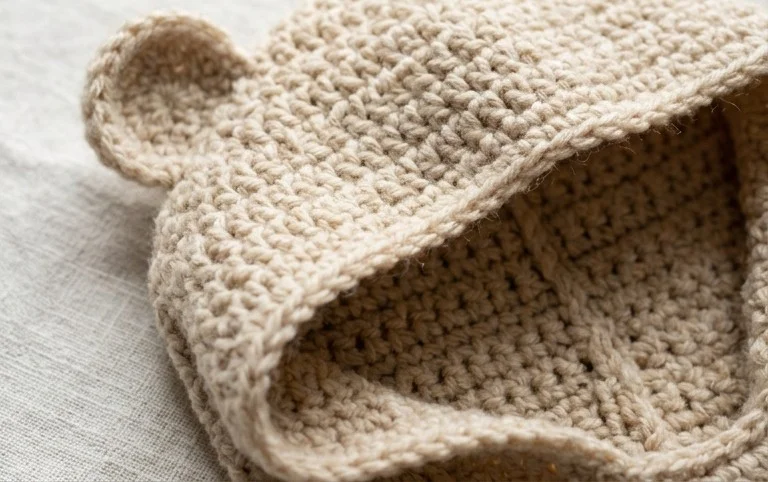
A finished bear hood has a cozy feel, a warm face-framing shape, and a pair of ears that give it plenty of personality. It is a satisfying handmade piece to wear on a cool day or wrap as a gift for someone who likes playful accessories. For a simple variation, use cream yarn with brown ears, or switch to a favorite color for a more personal look. Take a photo of your finished hood and share it on Pinterest or your social media page; seeing how different yarns and colors turn out can give other makers useful ideas. When you’re ready for another project, explore more free crochet patterns on the blog and find your next few hours of comfortable, creative stitching.