Easy Christmas Quilt Pattern: 12 Fat Quarters, Free
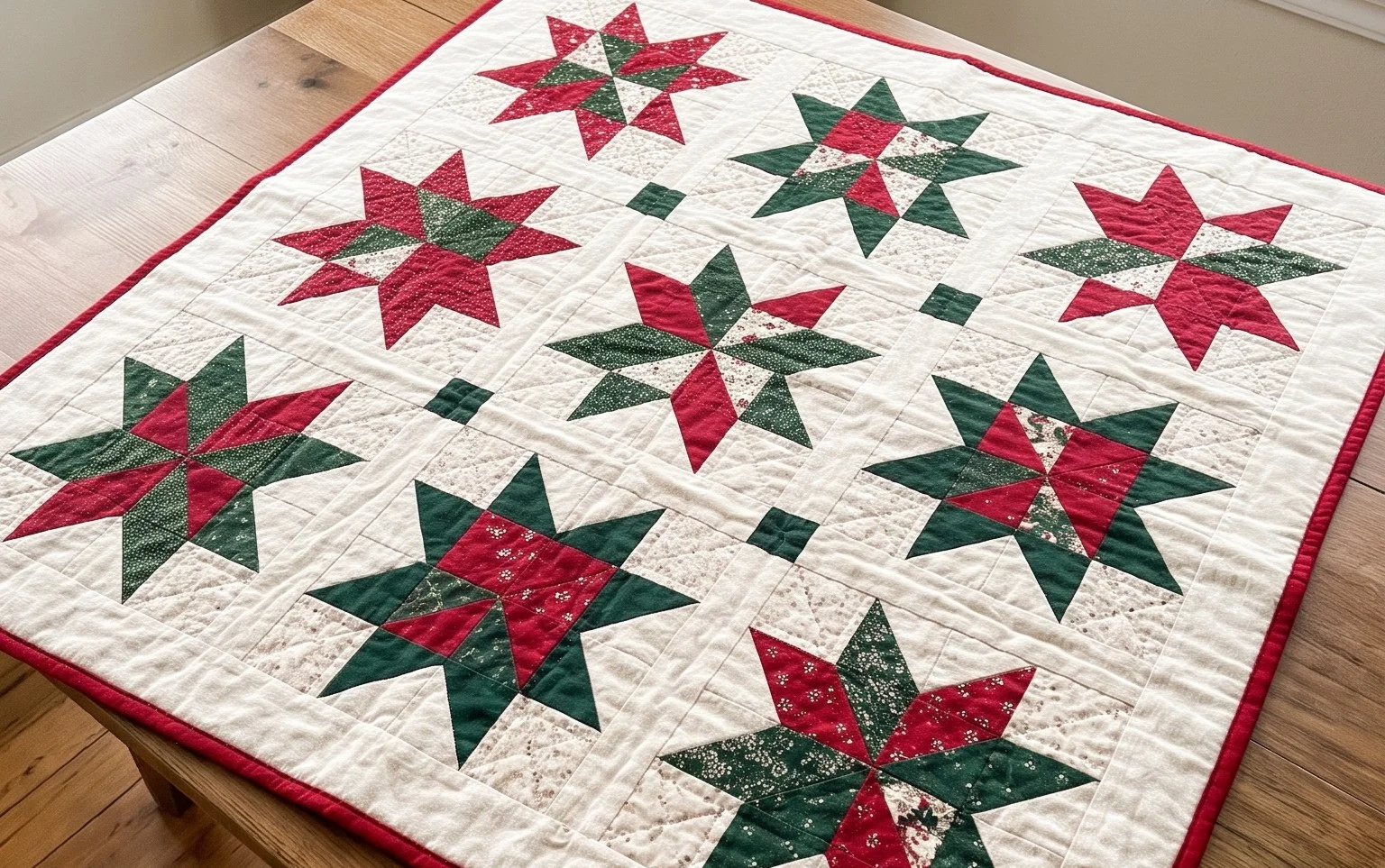
Twelve Christmas-print fat quarters give this quilt a cheerful patchwork look, with crisp fabric squares and a soft, cozy finish. The mix of holiday colors and prints brings seasonal warmth to a sofa, guest bed, or favorite reading chair, and the finished quilt makes a thoughtful handmade gift. This project suits quilters who enjoy choosing fabrics as much as sewing them, including newer makers ready to practise accurate cutting and straight seams. The repeated blocks make the piecing satisfying to work through, while the fabric combinations keep each section interesting. You’ll find guidance on arranging the prints, joining the pieces, and quilting the layers so the finished quilt lies neatly. Take your time matching edges, and press each seam as you go for a tidy result.
Why You’ll Love This Pattern
A firm cotton fabric and a simple single-crochet stitch make this dishcloth useful for everyday washing and wiping. The square shape is worked in rows, so you can practise keeping the edges straight without managing increases or decreases.
- The pattern uses one basic stitch and a consistent row repeat, which makes it suitable for a first crochet project.
- One cloth takes a modest amount of cotton yarn, so it is a handy way to use part of a skein.
- The finished fabric is sturdy and absorbent, and the cloth can be washed and reused.
- A set of cloths in different colors makes a practical handmade gift.
The rows were easy to keep track of, and the cotton made a useful cloth that held its shape after washing.
— Anna, beginner crocheter
Pattern Overview & Skill Level
- Skill Level: Beginner. You need to know how to chain and make a single crochet.
- Approximate Time: About 2–3 hours, depending on your pace and tension.
- Construction: A flat square worked back and forth in single-crochet rows, with a turning chain at the start of each row.
- Finished Dimensions & Sizing: About 8 × 7.5 inches (20 × 19 cm) at the gauge listed below. Cotton yarn and individual tension can change the final size.
Materials & Supplies Needed
- Yarn: About 100 yards (91 m) of worsted-weight cotton yarn, US category #4. A single solid color makes the rows easy to see; use two colors if you are comfortable changing yarn at the edge.
- Hook Size: 4.5 mm / 7 (G-7). Check the label for the hook recommendation, then make a gauge swatch.
- Notions: Tapestry needle for weaving in ends, scissors, and a ruler or tape measure. A removable stitch marker is optional for marking the first stitch of a row.
- Gauge: 15 single-crochet stitches and 16 rows measure 4 inches (10 cm) after washing and drying. Change hook size if your swatch is wider or narrower.
- Substitutions: Choose another smooth, washable cotton yarn close to worsted weight. A thinner yarn makes a smaller cloth and a thicker yarn makes a larger, heavier one; both changes affect yardage. Avoid fuzzy fibers, which are harder to scrub with and may shed.
Stitch Guide & Abbreviations (US Terms)
- ch = chain.
- sc = single crochet: insert the hook into the stitch, yarn over and pull up a loop, yarn over and draw through both loops on the hook.
- st = stitch.
- sts = stitches.
- rep = repeat the stated instruction.
The turning chain does not count as a stitch in this pattern. Work the first single crochet into the first stitch of each row, not into the turning chain. This keeps every row at 30 stitches.
Step-by-Step Pattern Instructions
Dishcloth
Use a relaxed, even tension. The turning chain at the start of each row gives you enough height to turn your work; do not work into it. Count the stitches before moving to the next row.
- Foundation: Ch 31. The first 30 chains form the foundation for the first row; the extra chain is the turning chain.
- Row 1: Sc in the second ch from the hook and in each ch across. Ch 1 and turn. (30 sts)
- Rows 2–30: Sc in each st across. Ch 1 and turn at the end of each row, including Row 30. (30 sts per row)
After Row 30, check the cloth against the gauge and target dimensions. If it measures about 8 × 7.5 inches (20 × 19 cm), fasten off, leaving a tail long enough to weave in. If your gauge differs, the cloth may still be useful; use the finished measurements as a guide for future pieces.
Finishing
Cut the yarn and pull the tail through the loop on your hook. Thread the tail onto a tapestry needle and weave it through several stitches along the edge. Change direction and weave through a few more stitches so the end is secure. Trim the remaining yarn close to the fabric without cutting the stitches. Weave in the starting tail in the same way.
For a neat edge, check that the first and last stitches of each row have not been missed. Blocking is optional for a dishcloth, but washing and laying it flat can help settle the stitches before use.
Care & Washing Instructions
- Wash cotton in a machine on a gentle or regular cycle at up to 40°C (104°F), unless the yarn label gives a lower limit.
- Dry flat or tumble-dry on low if the yarn label allows it; high heat can shrink cotton.
- Reshape the cloth while damp and lay it flat to dry; follow the yarn label if the fiber content is uncertain.
Pro Tips & Common Mistakes to Avoid
- Keep your tension steady, especially in the foundation chain. If the bottom edge feels tight, use a hook one size larger just for the chain, then switch back for the rows.
- Count 30 stitches at the end of every row. Place a marker in the first stitch if it is difficult to see where the row begins; the turning chain is not a stitch.
- Weave in each yarn end through the backs of several stitches, then change direction before trimming. A short end worked through only one stitch can loosen with repeated washing.
- To make the cloth wider, start with more chains and work the same number of single crochets across, allowing one extra chain for the turning chain. Add rows to make it taller; larger dimensions use more yarn and take longer to finish.
Frequently Asked Questions
Can I use acrylic yarn instead of cotton?
You can, but acrylic is generally less absorbent than cotton and may feel different for washing dishes. Choose a washable yarn and expect the size and fabric texture to vary from the cotton sample.
How do I make the dishcloth smaller or larger?
Change the number of foundation chains to adjust the width, and work fewer or more rows to adjust the height. Keep one turning chain beyond the number of stitches you want, and check the fabric as you go. A larger cloth needs more yarn.
Is this pattern suitable for a first crochet project?
Yes. It uses chains and single crochet in straight rows, with no shaping or complicated joining. The main challenge is working into the first and last stitch consistently so each row stays at 30 stitches.
May I sell dishcloths made from this pattern?
Check the designer’s terms before selling finished pieces, and follow any requirements for pattern credit. If you plan to sell regularly, also check local rules for textile labeling and product claims.
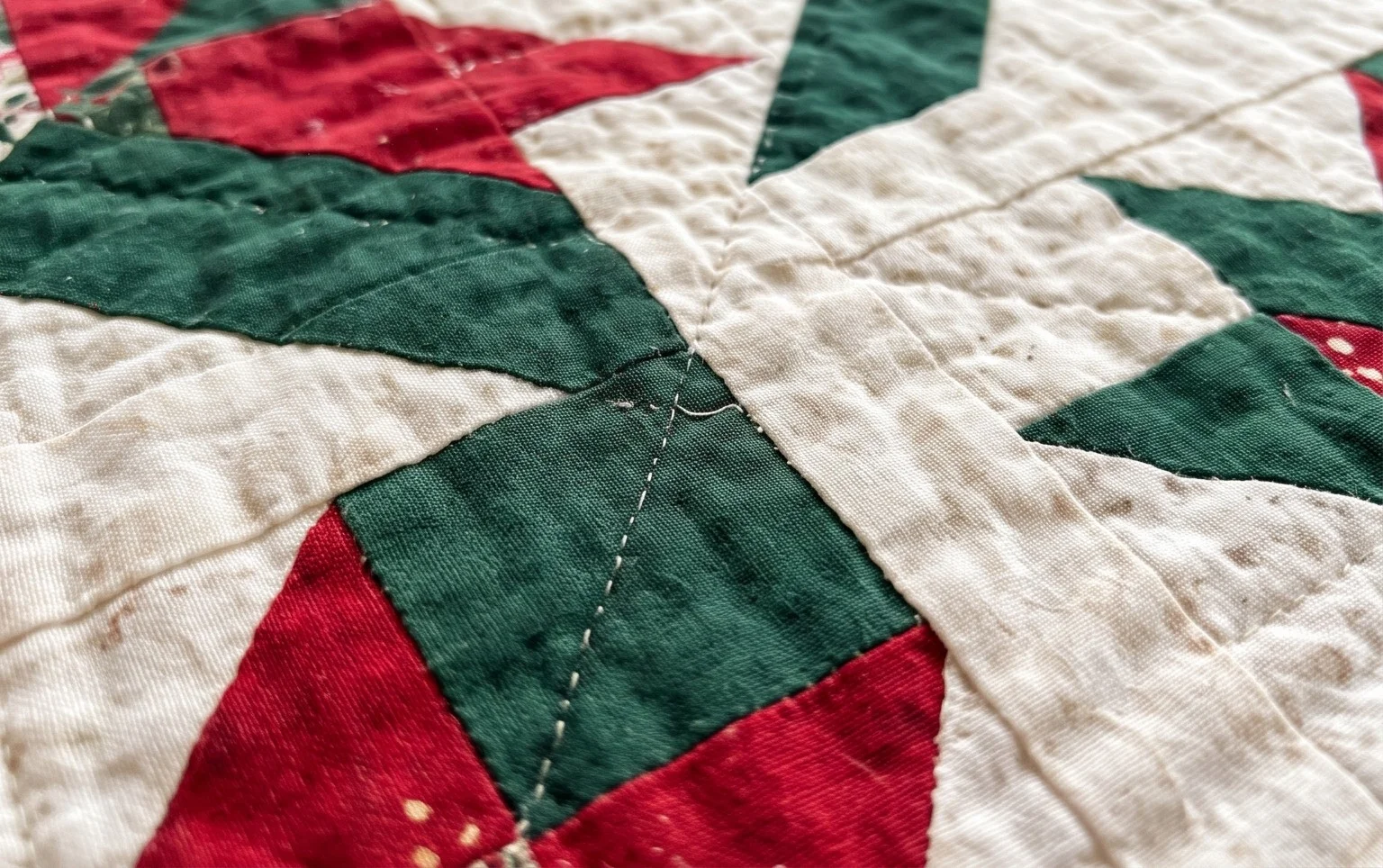
A finished Christmas quilt made from twelve fat quarters brings your chosen holiday prints together in a useful layer you can bring out each winter. If you want a different look, swap the traditional reds and greens for soft blues, creams, or other seasonal fabrics while keeping the same layout. Share a photo of your completed quilt on Pinterest or your favorite social media platform; seeing how different fabric choices work together is part of the fun. For another project to sew when you have time at your machine, explore more free patterns on the blog and pick a design that suits your next bundle of fabric.